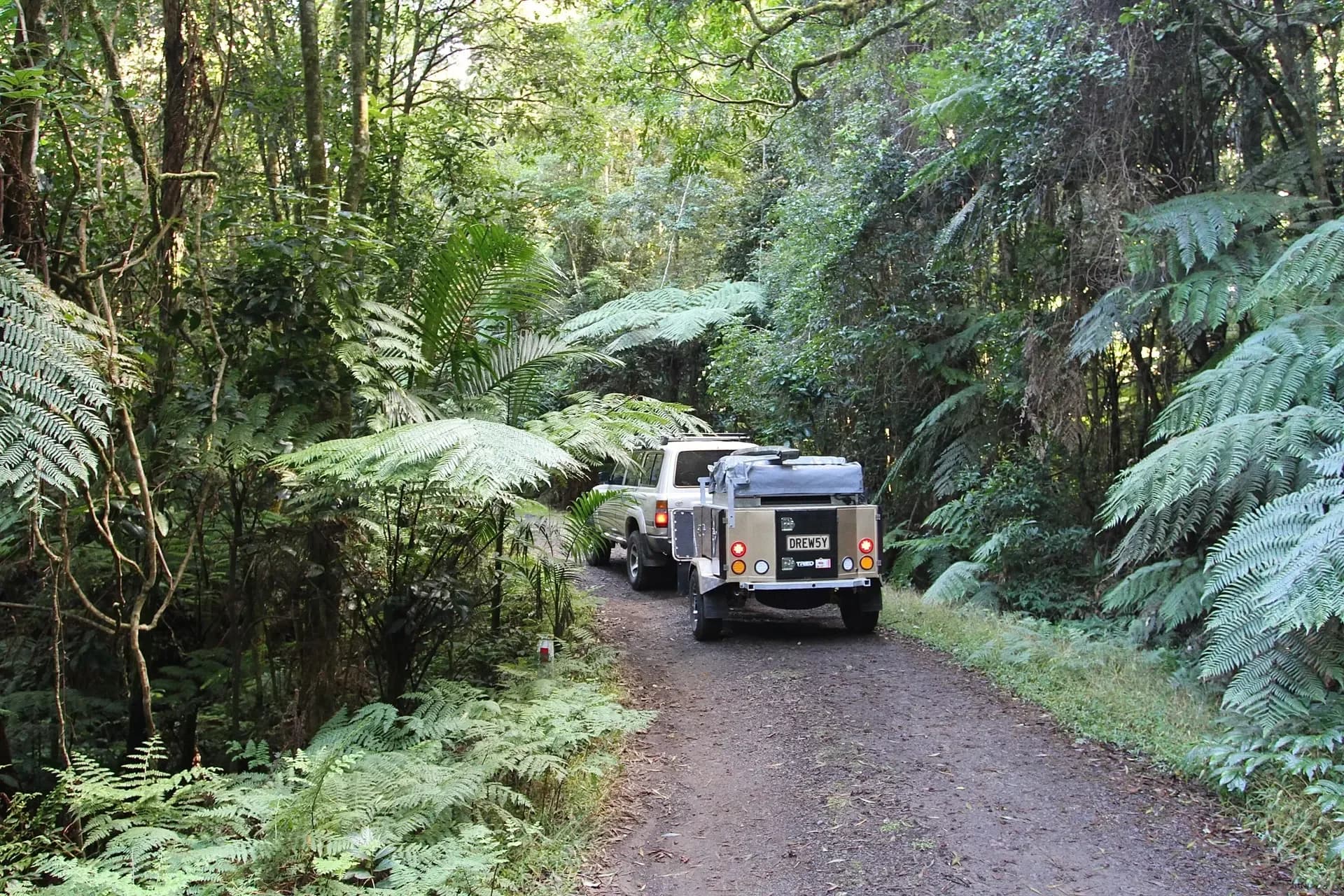
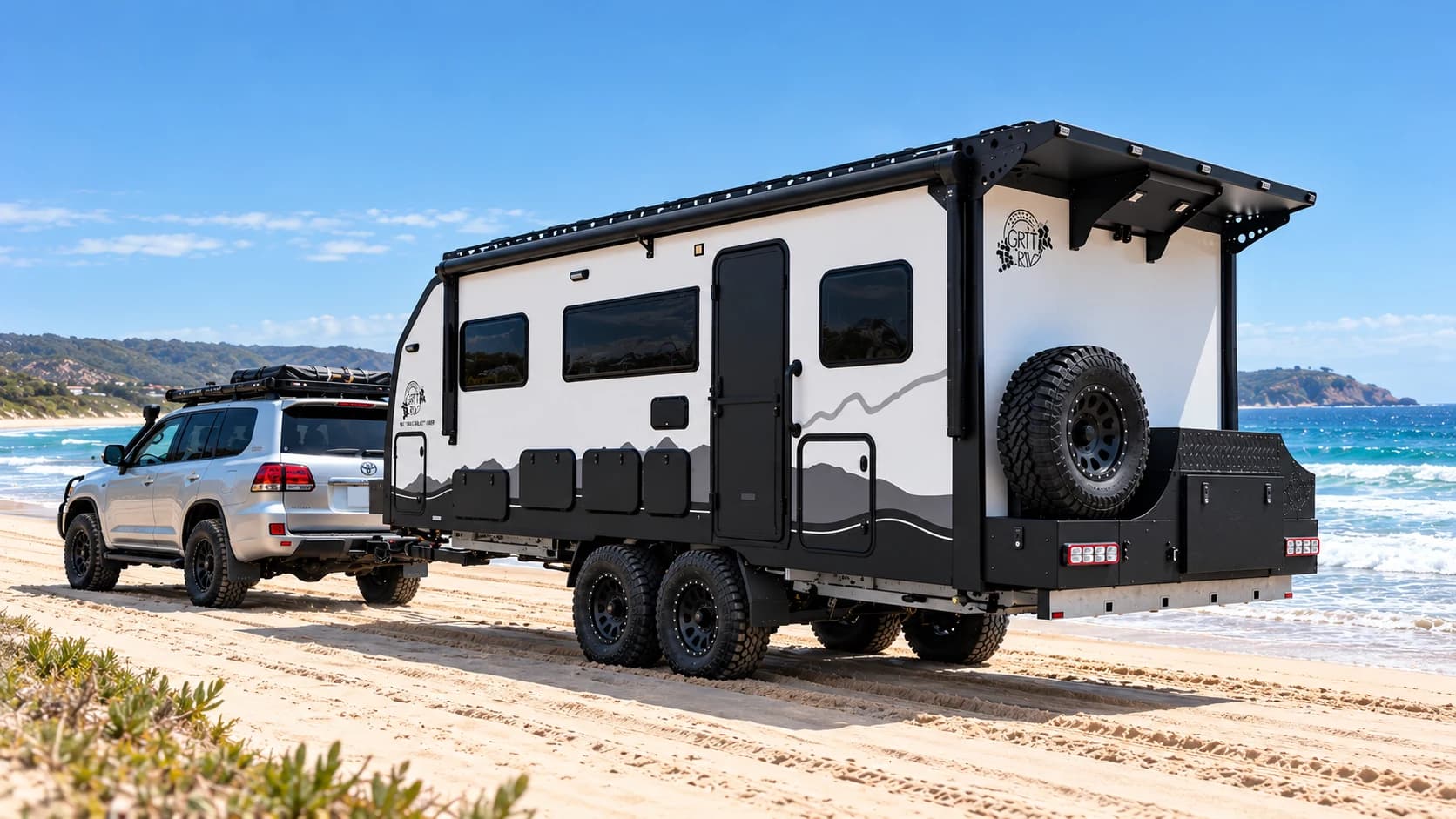
If you are building a touring 4x4 or planning to tow a caravan, two numbers come up again and again: GVM and GCM.
They sound similar, but they measure different things.
Understanding the difference can help you plan the vehicle, passengers, accessories, luggage and trailer more realistically before the build gets too far along.
Quick Takeaway
GVM relates to the permitted loaded mass of the motor vehicle itself.
GCM relates to the permitted mass of the vehicle-and-trailer combination.
A 4x4 can be within its own GVM while the overall vehicle-and-trailer combination still needs to be checked against the relevant GCM and towing limits.
Tow-ball load also matters because part of the trailer or caravan load is transferred onto the tow vehicle and can use part of its available payload.
GVM in Plain English
GVM stands for Gross Vehicle Mass.
In practical terms, it is the maximum permitted loaded weight of the vehicle itself while it is on the road.
The loaded vehicle can include:
- the vehicle itself
- passengers
- fuel
- tray and canopy
- bullbar and winch
- batteries and electrical equipment
- water
- fridge and food
- tools and recovery gear
- luggage
- the load transferred onto the vehicle by the trailer or caravan coupling
This is why a large 4x4 can still run out of payload. Every person and every kilogram of equipment uses part of the available carrying capacity.
GCM in Plain English
GCM stands for Gross Combination Mass.
For touring and caravan owners, the easiest way to think about GCM is as a limit that applies to the combined vehicle-and-trailer setup rather than the vehicle alone.
That means the tow vehicle can be within its own GVM while the overall combination may still need to be checked against the relevant GCM and towing limits.
The Difference at a Glance
| Term | Plain-English Meaning |
|---|---|
| GVM | The maximum permitted loaded mass of the motor vehicle itself. |
| GCM | The permitted mass of the vehicle and trailer combination. |
| Payload | The amount of vehicle mass available between the vehicle's actual weight and its permitted GVM. |
| Tow-ball load | Part of the trailer or caravan load transferred onto the tow vehicle through the coupling. |
Why Both Numbers Matter
A towing setup needs more than one weight check.
Looking only at GVM or only at towing capacity can leave important parts of the combination out of the conversation.
A complete planning discussion can involve:
- GVM
- GCM
- front and rear axle limits
- tow-ball load
- maximum braked towing capacity
- trailer or caravan mass ratings
- tyre and wheel load ratings
- component ratings
- the actual loaded weight of the vehicle
- the actual loaded weight of the trailer
The practical point is that these limits interact. A change to passengers, water, batteries, caravan loading or accessories can affect more than one part of the setup.
A Simple Touring Example
Imagine a family has a 4x4 with a tray and canopy, lithium batteries, fridge, water, recovery gear and luggage.
They then connect a caravan and load the family in for a school holiday trip.
The vehicle's GVM relates to the loaded 4x4.
The GCM relates to the vehicle-and-caravan combination.
The caravan's tow-ball load also places weight onto the tow vehicle.
The exact numbers vary by vehicle and caravan, so this example is about the relationship between the limits rather than providing a calculation for any specific setup.
Why Tow-Ball Load Matters
Tow-ball load is easy to overlook because it comes from the trailer or caravan, but it is carried by the tow vehicle.
That transferred load can use part of the vehicle's available payload, alongside passengers, fuel, accessories and luggage.
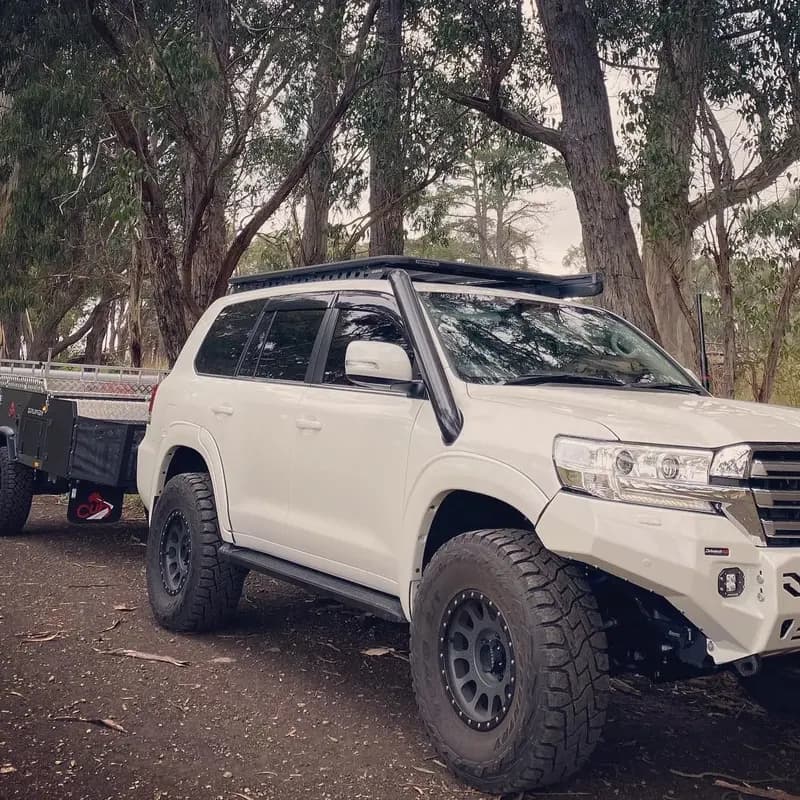
For a heavily accessorised touring 4x4, this can be one of the reasons a setup approaches GVM even when the caravan itself remains within its own limits.
Does a Higher GVM Automatically Fix GCM?
No.
A higher permitted GVM does not automatically mean every other towing or combination limit increases with it.
The practical lesson is to have the complete vehicle and towing combination assessed rather than assuming one upgraded number solves the entire weight equation.
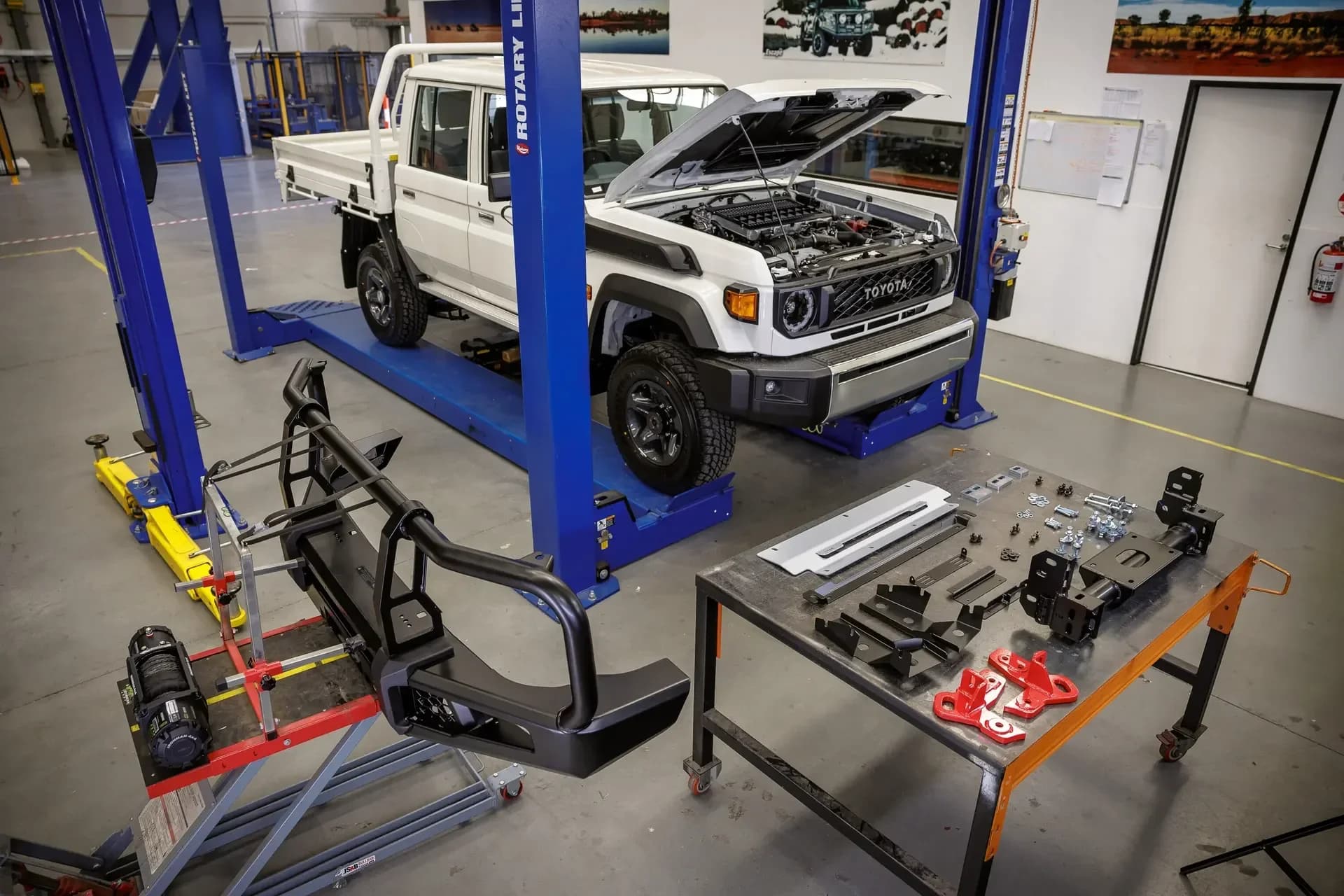 Related GuideGVM Upgrades
What Sort of Adventure Are You Building For?
Local Weekend Adventurer
You may not tow a large caravan, but your 4x4 can still accumulate weight through a canopy, rooftop tent, batteries, water, recovery gear and weekend equipment.
GVM can be the more immediate planning number, while GCM becomes more relevant if you add a trailer or camper.
Family Getaway Explorer
This is where GVM and GCM often need to be considered together.
Passengers, family luggage, canopy equipment and caravan tow-ball load can all affect the 4x4, while the overall combination also needs to remain within its relevant limits.
Long-Term Traveller
Long-term touring can involve more water, power, storage, spare parts and everyday living equipment.
The tow vehicle and caravan can both be carrying substantial loads, making careful weight planning a core part of the overall build.
GVM, GCM and the Build Plan
The best time to think about weight is before every component has been ordered.
A planning worksheet can include:
- vehicle make and model
- vehicle weight ratings
- estimated tray and canopy weight
- suspension and GVM-related work
- bullbar, winch and protection
- battery, solar and electrical equipment
- water and fuel
- passengers
- fridge, food and luggage
- recovery gear and tools
- caravan or trailer
- expected tow-ball load
The aim is not to self-certify the vehicle.
It is to arrive at the engineer, modifier or caravan specialist with a clearer picture of how the vehicle will actually be used.
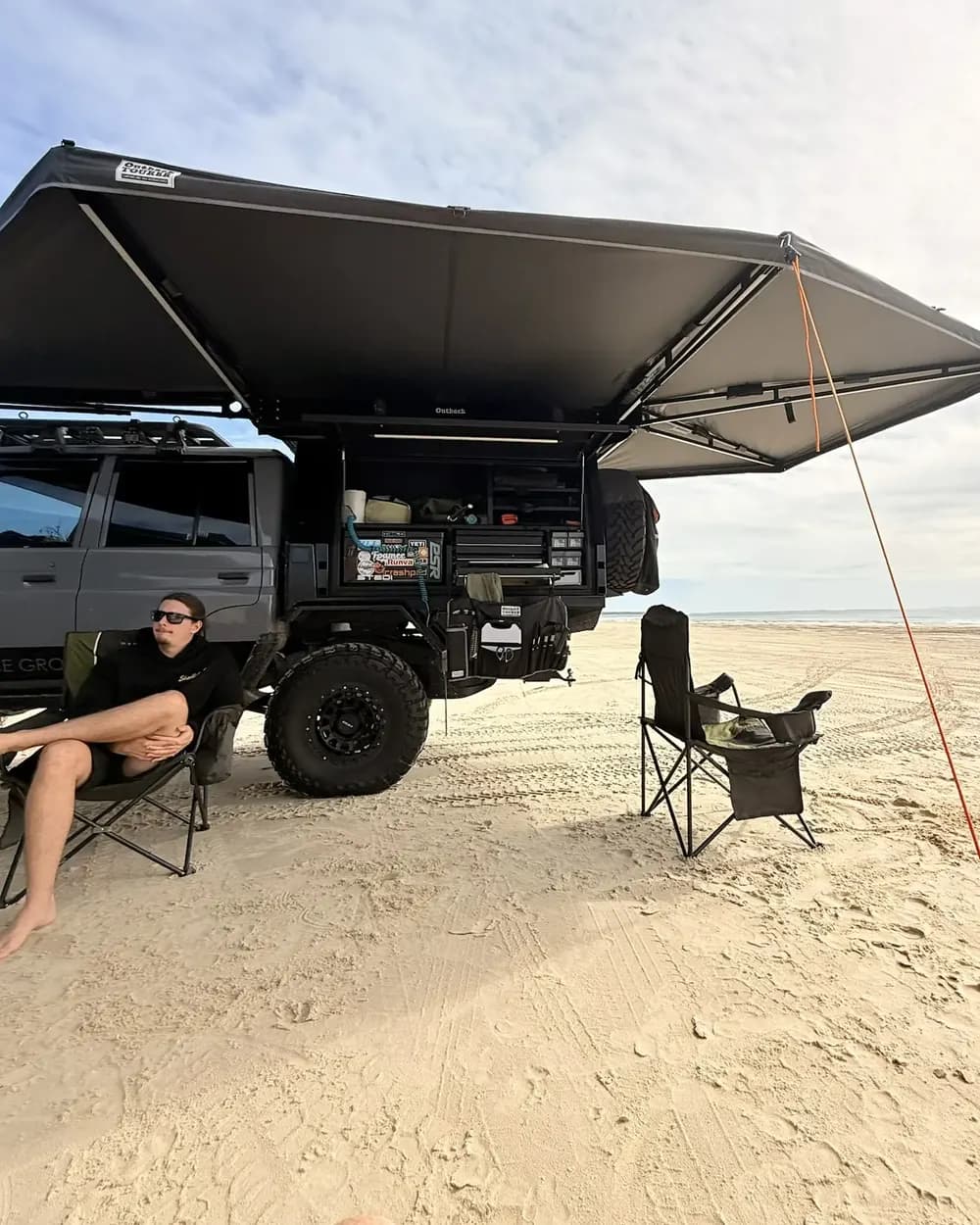
Weight Planning Can Change the Build
Weight planning can change the direction of the project.
A touring setup may need different suspension, a lighter canopy, a different caravan, a GVM-related modification or a staged build.
This is why weight planning and build planning belong together rather than being treated as separate tasks.
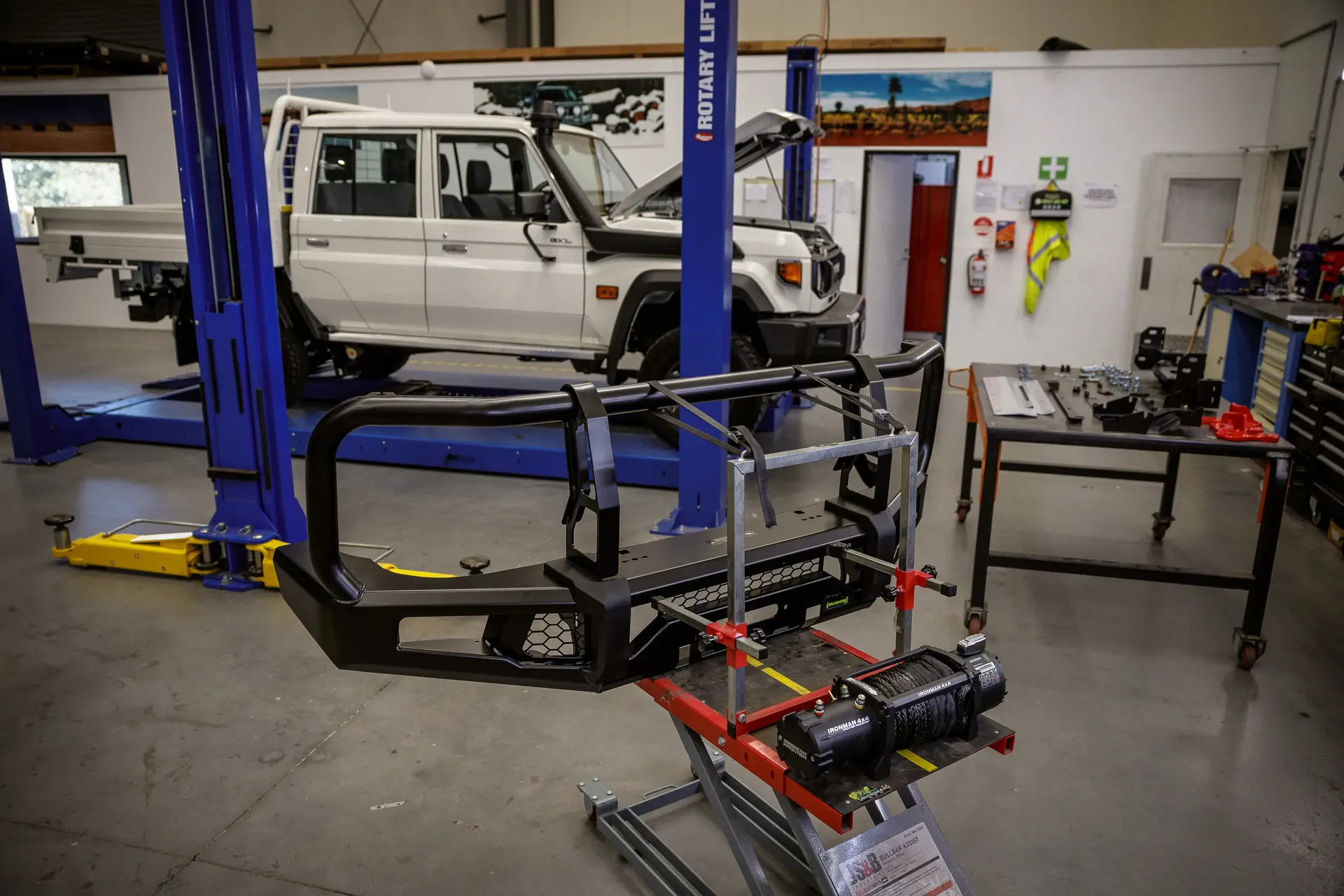 Related GuideComplete 4x4 Build vs Staged Build
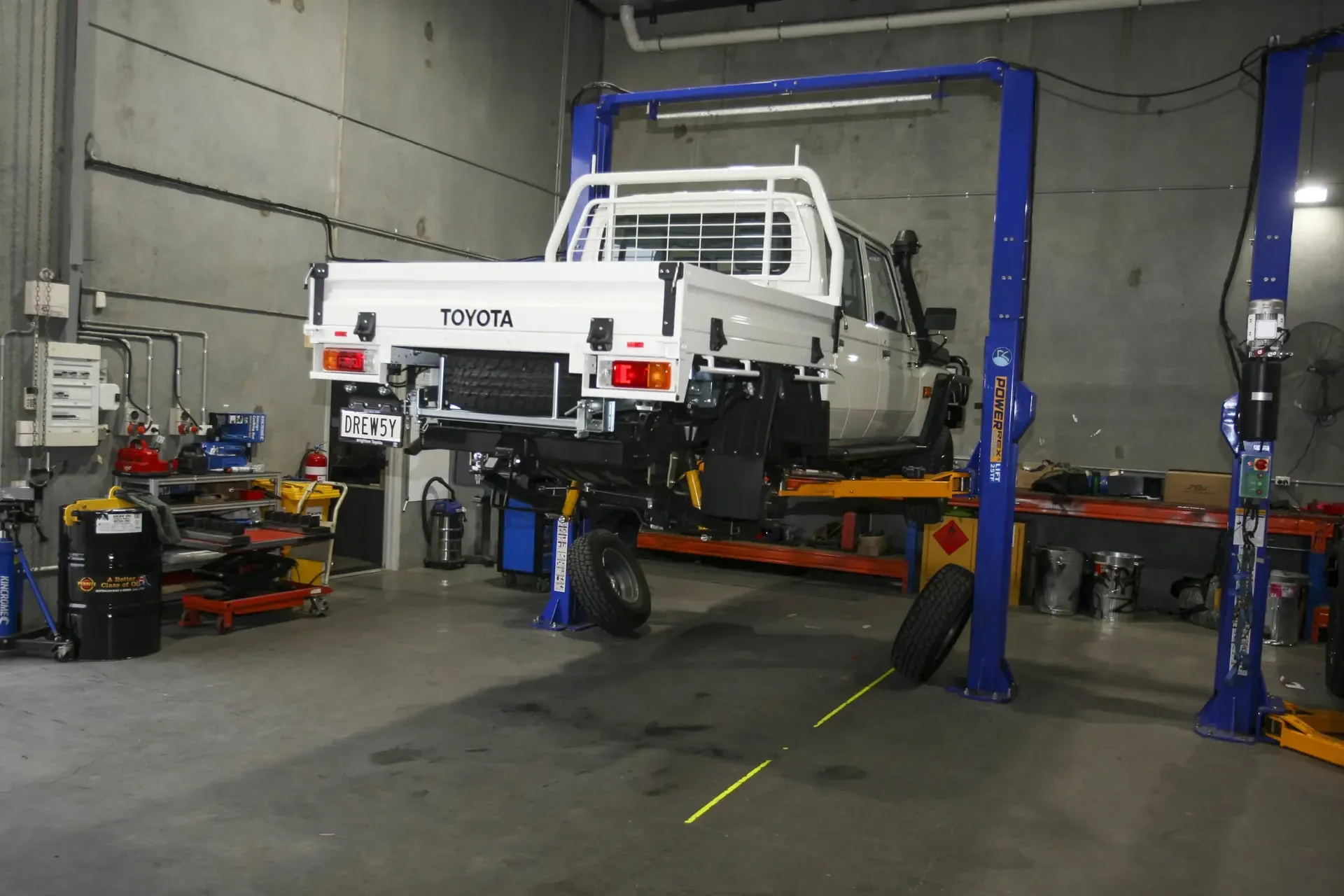 Related GuideHow Much Does a 4x4 Build Cost?
Key Takeaways
- GVM applies to the loaded motor vehicle.
- GCM applies to the vehicle-and-trailer combination.
- Tow-ball load affects the tow vehicle and can reduce available payload.
- A towing setup can involve several separate limits, including axle, tyre, trailer and towing ratings.
- A GVM upgrade does not automatically increase GCM or towing capacity.
- Plan the weight before the build is fully committed.
- Use qualified technical specialists for vehicle-specific calculations, modifications and certification.
Planning checklist
GVM vs GCM: The Touring Weight Checklist
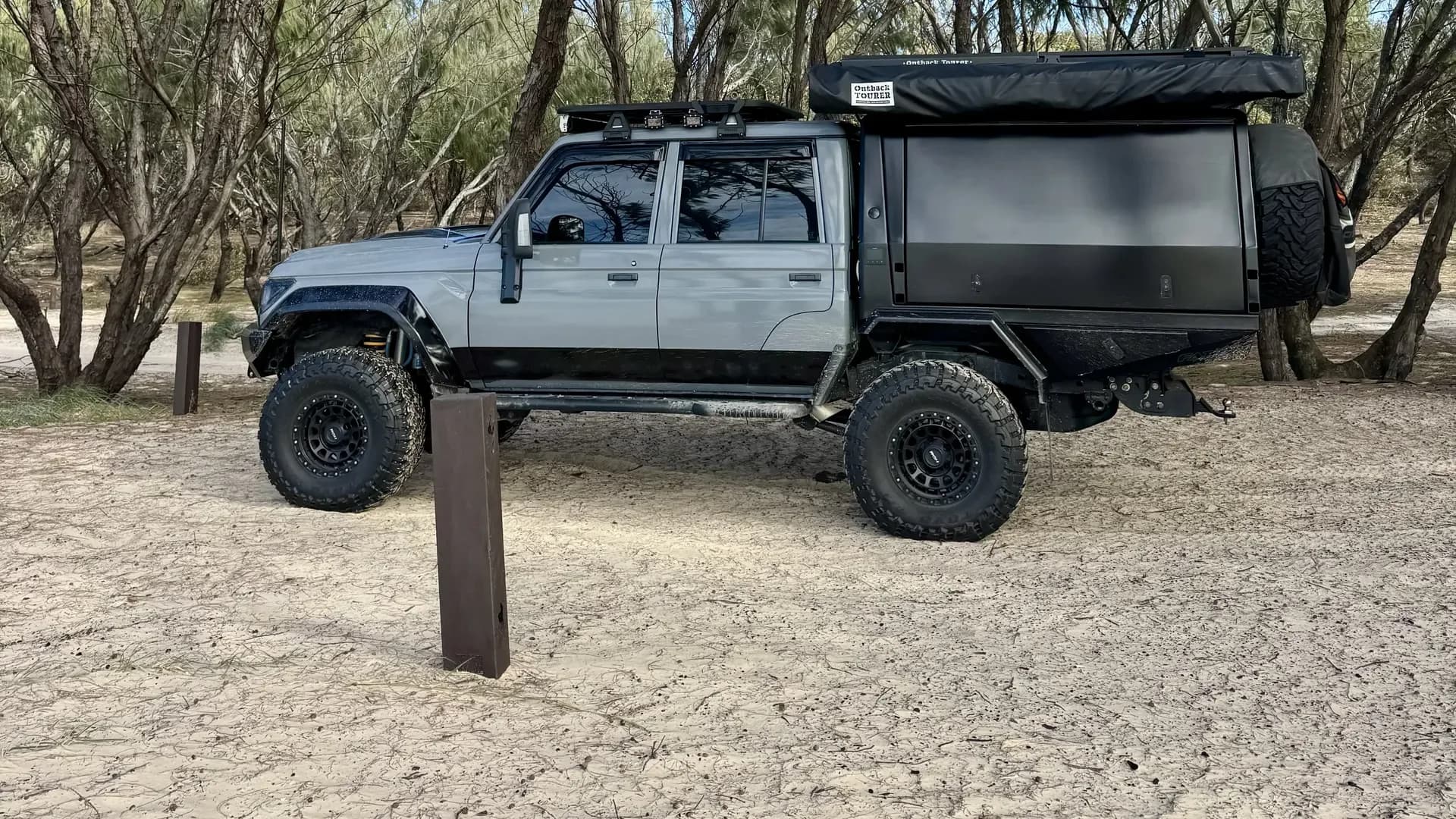
Drewsy's 79: A Real Build Connection
Drewsy's 79 gives Built for Adventure a practical example of how GVM, payload and the broader build all connect.
Tray and canopy, rooftop tent, electrical system, water, fuel, spare equipment, wheels, tyres and touring gear all become part of the complete loaded vehicle.
The 79 content can show the build as a whole rather than treating each accessory as if it exists in isolation.
Follow @drewsys79Common Questions
What is the difference between GVM and GCM?
GVM relates to the permitted loaded mass of the motor vehicle itself. GCM relates to the permitted mass of the vehicle-and-trailer combination.
Can I be under GVM but still have a GCM issue?
Yes. The vehicle and the overall vehicle-and-trailer combination are separate weight considerations, so the complete setup still needs to be checked.
Does tow-ball load count toward the vehicle's weight?
The load transferred from the trailer or caravan onto the tow vehicle forms part of the load being carried by the vehicle and can affect available payload.
Does a GVM upgrade increase GCM?
Not automatically. GVM and GCM are separate ratings and modification pathways can differ. The specific vehicle and approval pathway need to be assessed.
Does a GVM upgrade increase towing capacity?
Not automatically. Towing capacity, GVM, GCM, axle limits and other component ratings are separate considerations.
What is payload?
Payload is the amount of carrying capacity available between the vehicle's actual mass and its permitted GVM. Passengers, accessories, luggage and tow-ball load can all use part of it.
Do I need to weigh my 4x4 and caravan?
Actual weights can be very useful when assessing a completed or loaded setup. A qualified specialist can explain what needs to be measured and how the relevant limits apply.
Finance Your Adventure
If the build or caravan plan has moved from research into a real purchase decision, Adventure Finance is the separate specialist finance pathway. Built for Adventure keeps this Guide focused on weight and setup planning. Questions about pre-approval, lender criteria, rates, terms or whether eligible vehicle, build or caravan costs can be financed belong with Adventure Finance.