
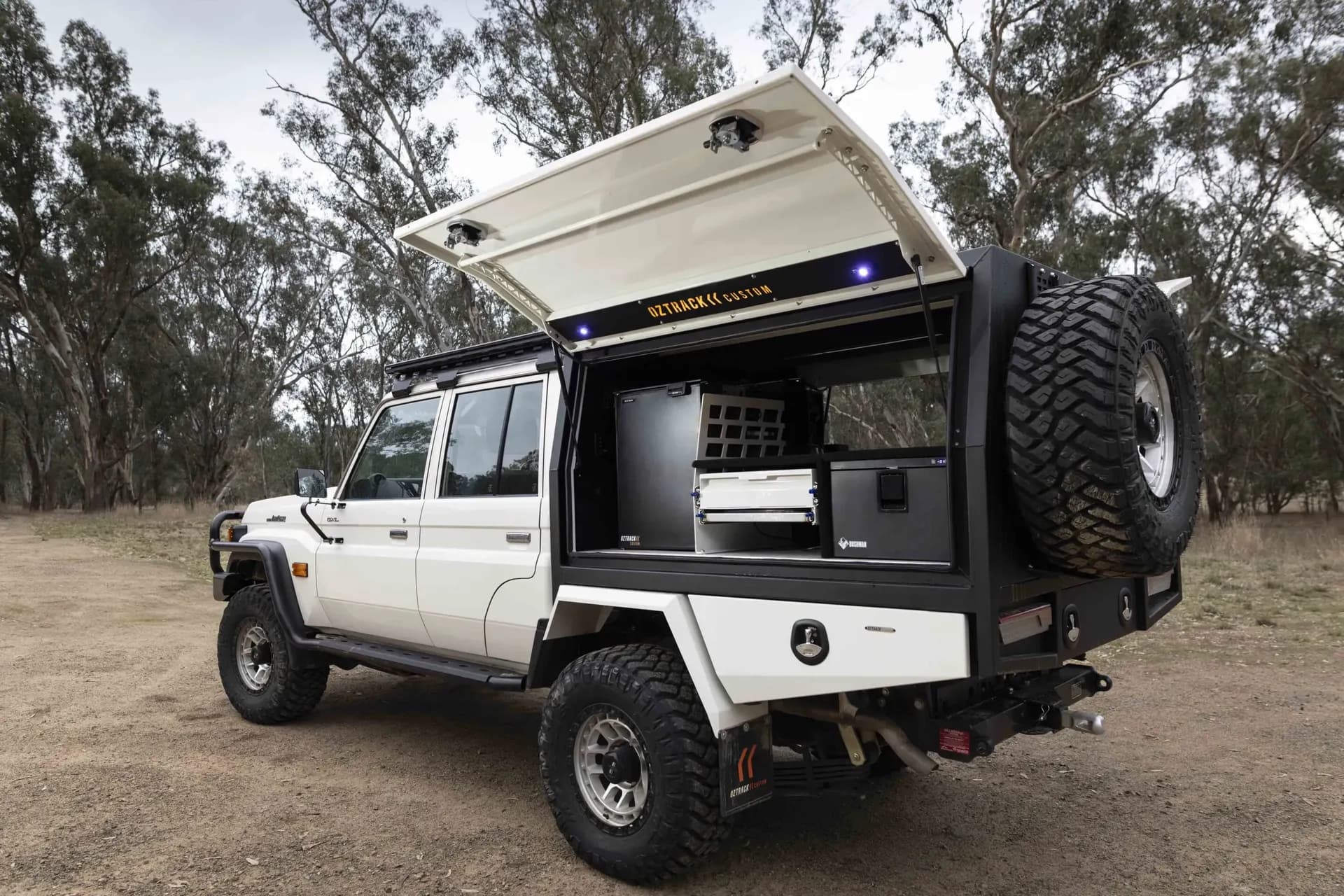
Lithium Battery Setup for Touring: What Do You Need to Plan?
- Adventure Guide
- 7 min read
- 17 sections
Lithium batteries have become a common part of modern 4x4 touring systems, particularly where the setup needs useful energy storage without unnecessary weight.
But the battery is only one part of the power system.
Charging, battery management, solar, monitoring, inverter loads, wiring, protection and installation location all need to work together.
Quick Takeaway
Start with what the 4x4 needs to power, not the battery size.
Once the real loads are understood, the battery, charging system, solar, inverter, monitoring and protection can be designed around the way you actually travel.
A good touring power system is not simply the biggest battery that fits. It is a system you can understand, monitor, recharge and service.
Start With the Power You Need
The first question is not how large the lithium battery needs to be.
The first question is what the touring setup actually needs to power.
Common loads can include:
- fridge or freezer
- camp lighting
- phones and tablets
- camera and drone batteries
- laptops
- communications equipment
- water pump
- 12V outlets
- USB charging
- selected inverter-powered appliances
- other integrated touring equipment
Once the loads are understood, a qualified installer can help size the battery, charging system and protection around the real use case.
Why Lithium Is Popular in Touring Builds
Lithium iron phosphate, commonly referred to as LiFePO4 or LFP, is widely used in modern touring power systems.
Reasons people often consider lithium include:
- high usable capacity relative to many traditional battery setups
- lower weight for a given usable energy requirement
- ability to support substantial accessory loads when the system is designed appropriately
- strong compatibility with modern DC-DC, solar and monitoring systems
- long service potential when used within the battery manufacturer's operating requirements
These advantages do not make every lithium battery interchangeable.
The battery, BMS, charging equipment and installation environment need to be compatible.
What Is a BMS?
A Battery Management System, or BMS, monitors and protects the lithium battery against conditions outside its designed operating limits.
Depending on the battery and system design, the BMS can monitor factors such as cell voltage, current and temperature and can disconnect or limit operation when protection is required.
The BMS is part of the battery system. It is not a replacement for correct charging, fusing, isolation or installation.
Match the System to Your Adventure
Local Weekend Adventurer
A smaller and simpler lithium setup may cover refrigeration, lighting and device charging for short trips where the 4x4 is driven regularly.
Family Getaway Explorer
Family travel can increase power demand through refrigeration, more device charging, lighting, water systems and longer stays.
Solar, monitoring and more usable storage may become more relevant.
Long-Term Traveller
For extended travel, the electrical system can become part of everyday life.
Refrigeration, communications, laptops, cameras, water systems and longer off-grid stays can increase the value of charging redundancy, monitoring, service access and carefully planned capacity.
Charging Compatibility Matters
A lithium battery needs charging equipment and settings that are compatible with the battery manufacturer's requirements.
A touring system may combine charging from the 4x4, solar and an external AC source.
Each source needs to work appropriately with the battery and the wider system.
Manufacturer documentation commonly specifies charging voltage, temperature and battery-management requirements. These details vary between products, which is why the installer's design needs to follow the battery and charger documentation rather than a generic setting.
4x4 Charging and DC-DC Chargers
A DC-DC charger is commonly used to manage charging from the 4x4 to the auxiliary lithium battery.
The charger needs to suit the 4x4, alternator behaviour, battery chemistry, battery capacity and expected charge demand.
For travellers who move camp regularly, 4x4 charging can make up a significant part of the overall energy strategy.
Solar and Longer Stays
Solar becomes particularly useful when the 4x4 is parked for longer periods and the auxiliary battery is still powering refrigeration, lighting and other equipment.
Fixed solar can charge with minimal setup when conditions are suitable.
Portable solar can provide flexibility when the 4x4 is parked in shade or the panel needs to be repositioned.
The best mix depends on where you camp, how long you stay and how much energy the system uses each day.

Cold-Temperature Charging
Lithium battery charging can have temperature limits that differ from discharge limits.
Some battery systems include low-temperature protection or heating features, while others rely on installation and system controls.
For people travelling into cold alpine or inland conditions, battery temperature limits belong in the planning conversation with the installer.
Use the battery manufacturer's documentation for the actual charging and temperature limits of the selected product.
Do You Need an Inverter?
An inverter allows selected mains-style appliances to run from the auxiliary battery system.
The presence and size of an inverter can materially change peak power demand, battery current, cable requirements and charging needs.
List the appliances you genuinely want to run first.
That gives the installer a better basis for deciding whether an inverter belongs in the system and how the wider system needs to be designed.
Battery Location
Lithium batteries may be installed in a canopy, cabin, trailer or another suitable location depending on the battery, 4x4 and system design.
The location can affect:
- temperature exposure
- water and dust protection
- mounting security
- ventilation requirements
- service access
- cable length
- weight distribution
- available storage
- future expansion
Battery manufacturer instructions and applicable installation requirements need to guide the final location.
Monitoring Is Part of the User Experience
A good touring system gives you enough information to understand what is happening without turning every trip into an electrical engineering exercise.
Useful monitoring can show battery state, charge and discharge activity, and help identify whether power use is running ahead of charging.
For long stays away from powered sites, this can make it easier to change how equipment is used before the system becomes depleted.
Plan for Serviceability
Batteries and power components eventually need inspection, diagnosis, maintenance or replacement.
Keep practical access to:
- battery terminals where applicable
- fuses and circuit protection
- DC-DC charger
- solar regulator or integrated charging equipment
- inverter
- isolators
- monitoring equipment
- key cable connections
A clean hidden installation can look excellent, but it still needs to be serviceable.
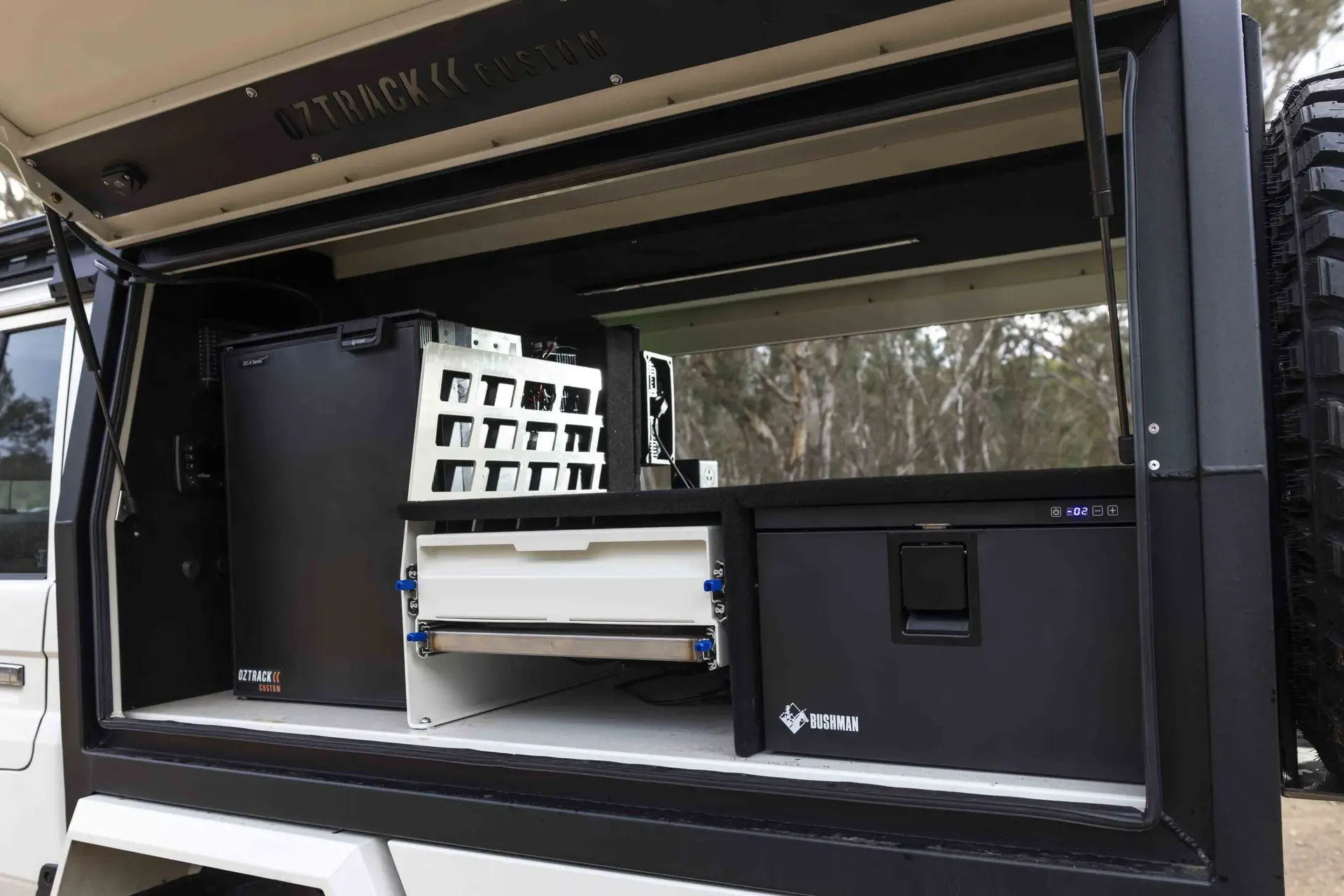
Lithium and the Canopy Layout
The battery system and the canopy fit-out affect each other.
Battery placement can change drawer space. Solar affects roof area. The fridge affects power demand and cable runs. Water systems affect where electrical components can safely live.
Planning the canopy and electrical system together can reduce rework and create a more practical finished setup.

 Related GuidePlanning a Touring Canopy Fit-Out
Lithium Does Not Remove the Need for Weight Planning
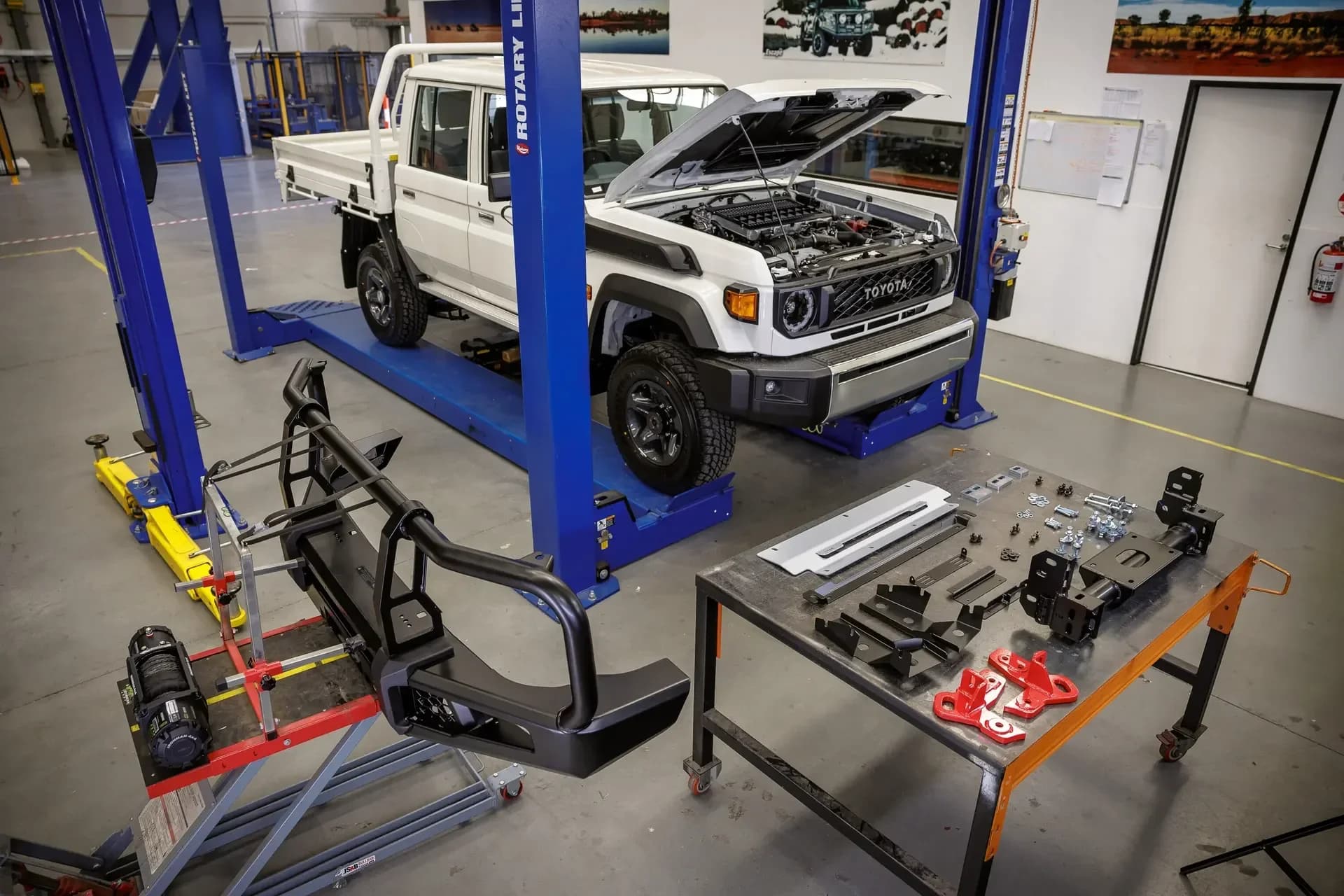
A lithium setup can offer useful weight advantages compared with some alternative battery configurations, but the complete power system still adds weight.
Batteries, chargers, inverter, solar, mounts, wiring and other equipment need to be included alongside tray, canopy, water, passengers, luggage, recovery gear and towing load.
 Related GuideGVM Upgrades
 Related GuideGVM vs GCM
Think About Redundancy for Remote Travel
For long-term and remote travel, more than one way to recharge the auxiliary battery can add resilience.
4x4 charging, solar and external charging can each play a different role.
The combination depends on the trip style, system size and how critical the powered equipment is to day-to-day travel.
Redundancy does not automatically mean adding every available component.
It means thinking through what happens if one charging source is unavailable.
Lithium System Planning Checklist
Tick it off as you plan
Questions to Ask the Installer
Why does this battery type suit the way I travel?
How did you calculate the capacity I need?
How will the battery be charged while driving?
What role will solar play?
Can the system charge from external power?
Does the battery have an integrated BMS?
What happens if the battery becomes too hot or too cold?
Where will the battery and charging equipment be installed?
How is the system fused and isolated?
What can I monitor from the completed system?
What equipment can I realistically run?
Do I need an inverter?
How easy is the system to service?
Can the system be expanded later?
Key Takeaways
- Start with what you need to power, not the battery size.
- Lithium is one part of a complete power system.
- The battery, BMS, chargers, solar, inverter and protection need to work together.
- Charging settings and temperature limits vary between products.
- Plan the electrical system with the canopy layout.
- Keep the finished system serviceable and easy to monitor.
- Think about more than one charging source for longer or remote travel where it adds value.
- Include the full electrical system in the 4x4's weight plan.
- Use qualified specialists and manufacturer instructions for final design and installation.
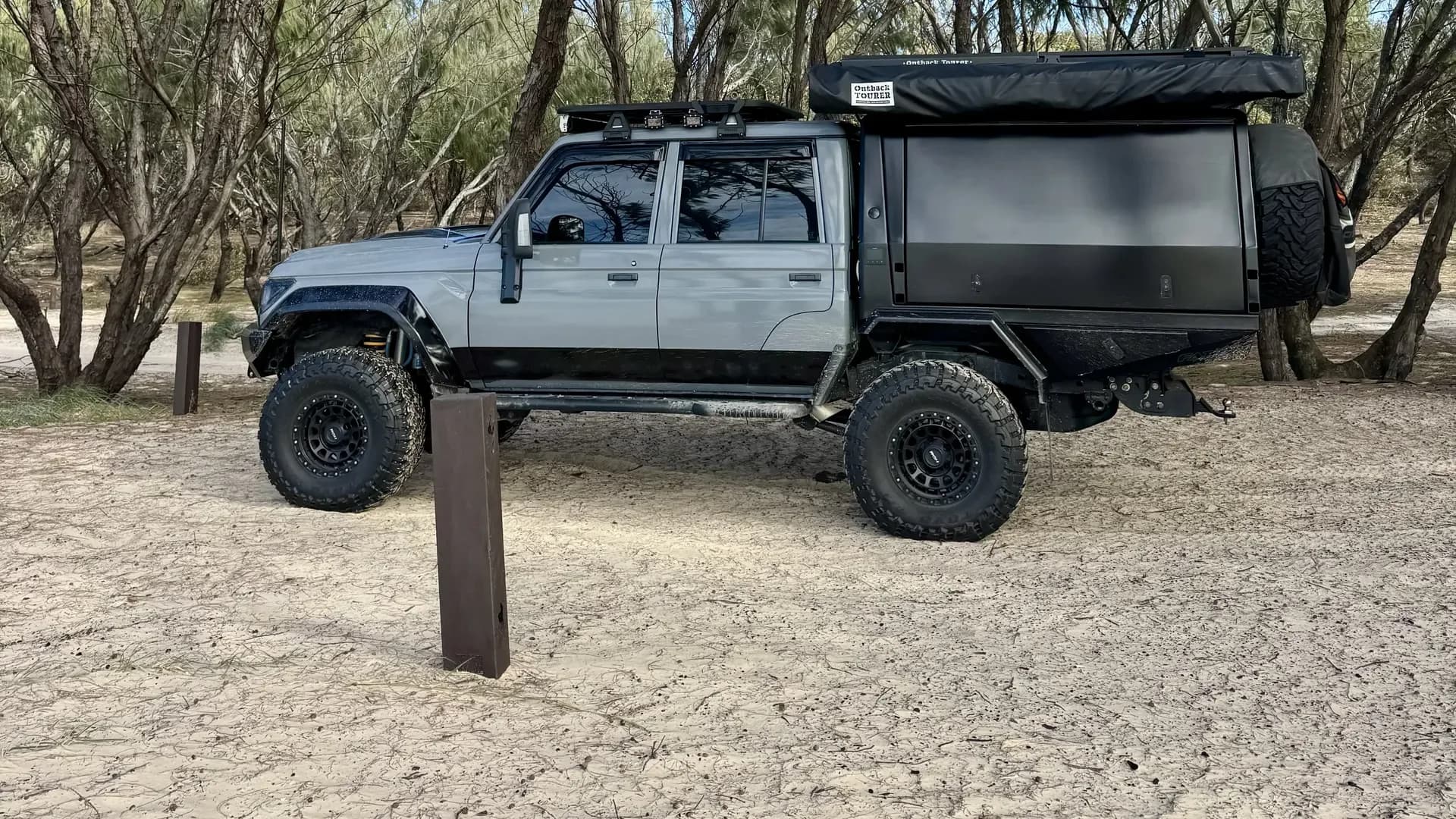
Drewsy's 79: A Real Power-System Connection
Drewsy's 79 gives Built for Adventure a useful way to show how the electrical system fits into the wider 4x4 build.
The canopy, fridge, battery system, charging, solar, storage and everyday camp use can be shown together rather than as disconnected components.
The 79 content can also show how the setup is monitored and used on real trips, which is more useful than treating battery capacity as the only measure of a good system.
Follow @drewsys79Common Questions
What type of lithium battery is commonly used in touring 4x4s?
Lithium iron phosphate, often written as LiFePO4 or LFP, is commonly used in touring power systems. The selected battery still needs compatible charging, battery management and installation.
Is lithium lighter than a traditional auxiliary battery setup?
Lithium systems can offer a weight advantage for a given usable energy requirement, but the complete system still includes chargers, wiring, protection, mounts and other components.
Do lithium batteries need a special charger?
The charging equipment and settings need to be compatible with the selected lithium battery and its manufacturer's requirements.
What is a BMS?
A Battery Management System monitors and protects the lithium battery against conditions outside its designed operating limits. It forms part of the battery system but does not replace correct charging, protection or installation.
Do I need solar with lithium?
Not in every setup. Solar can be useful where the 4x4 stays parked for longer periods or where another charging source is valuable away from external power.
Can lithium batteries be charged in cold weather?
Charging temperature limits vary between products. Some systems include low-temperature protection or heating features. The battery manufacturer's instructions provide the relevant limits for the selected battery.
Can I run an inverter from a lithium battery?
It may be possible where the battery, inverter, cabling, protection and charging system are designed around the expected load. The final system needs qualified design and installation.
Finance Your Adventure
If the lithium and electrical setup has moved from planning into a real purchase decision, Adventure Finance is the separate specialist finance pathway. Built for Adventure keeps this Guide focused on planning and using the power system. Questions about pre-approval, lender criteria, rates, terms or whether eligible integrated electrical costs can be financed belong with Adventure Finance.